
Design Thinking
How do we make anything?
So what is design thinking?
Definition:
Design thinking is a creative problem-solving process that focuses on understanding user needs and developing innovative solutions through empathy, experimentation, and iteration.
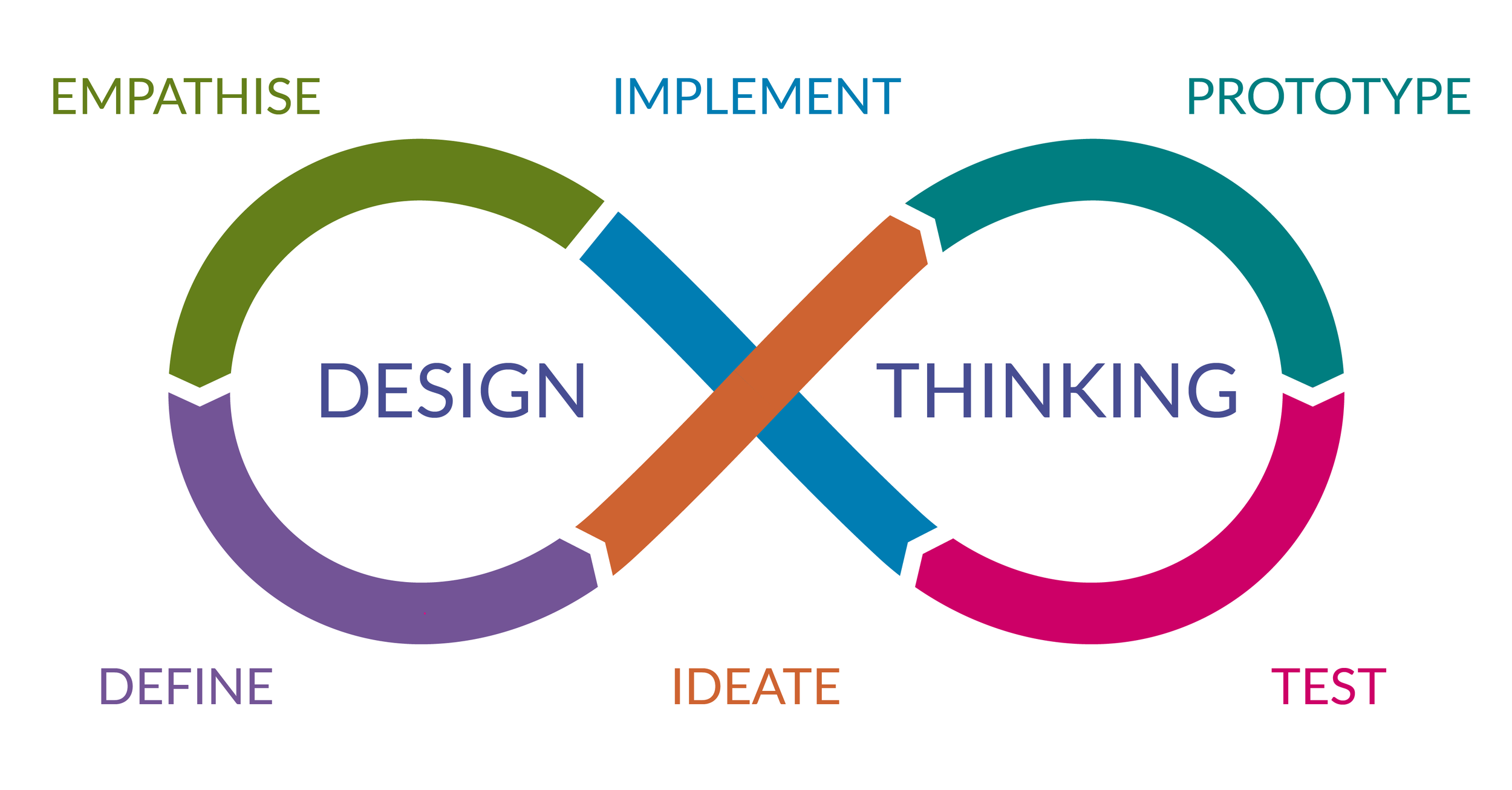
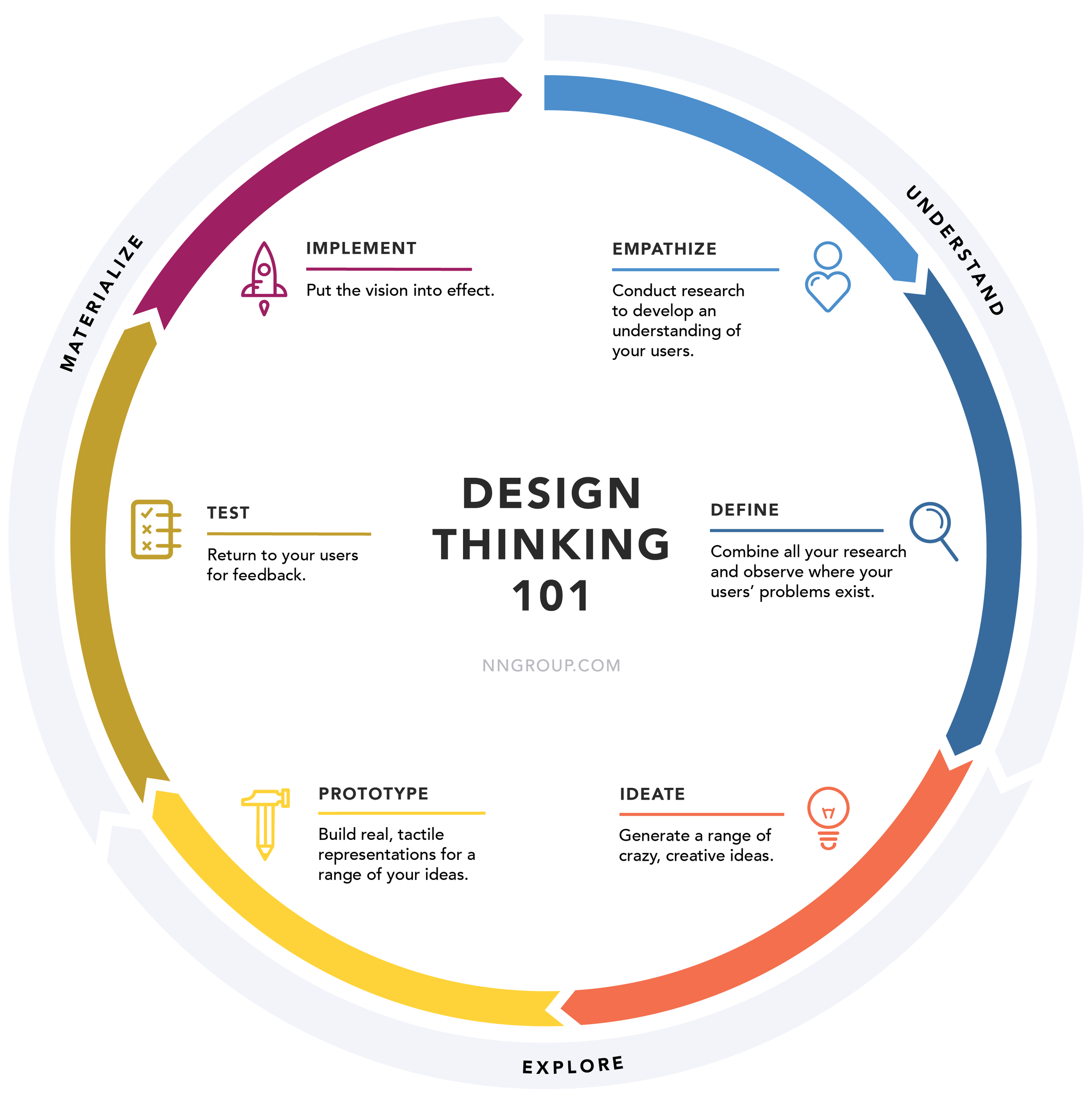
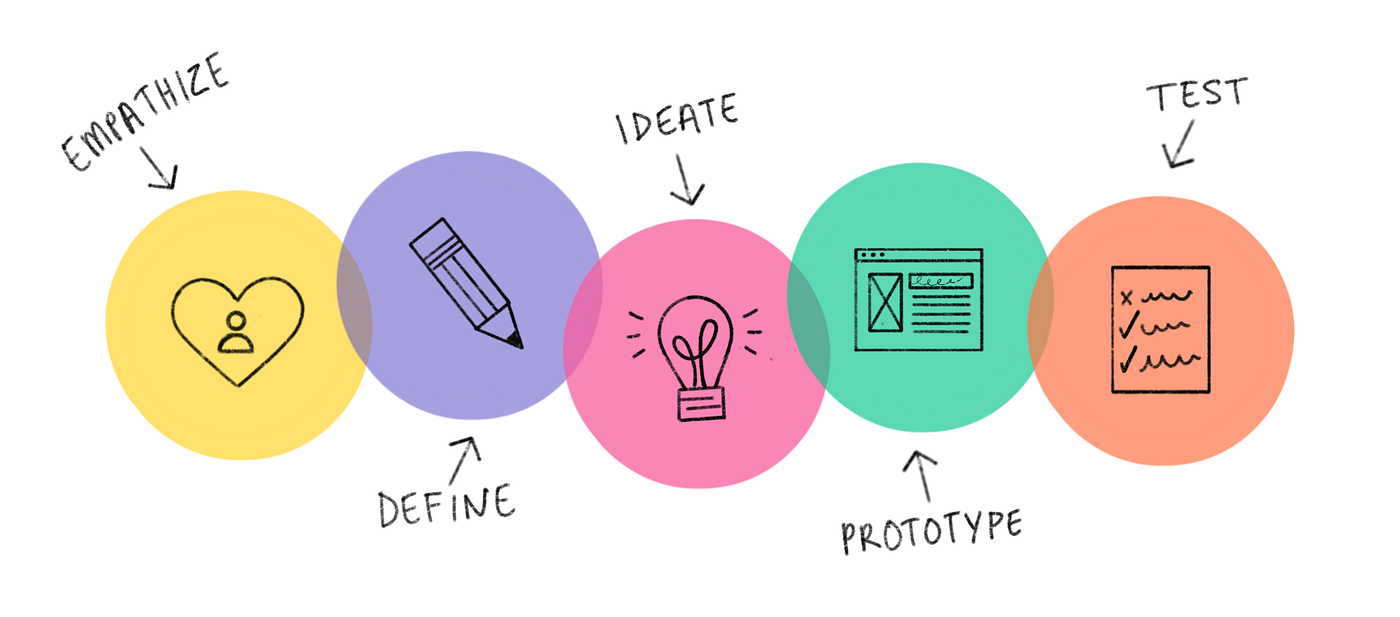
The design thinking process typically involves six key stages:
Empathize:
Understand the needs and experiences of the people you're designing for. In textiles, this could mean observing how people interact with clothing or fabrics in their daily lives.
Define:
Clearly state the problem or challenge you're trying to address based on your observations. For example, "How might we create more comfortable and durable uniforms for healthcare workers?"
Ideate:
Generate a wide range of creative ideas and potential solutions. This could involve brainstorming new fabric combinations, clothing designs, or textile techniques.
Prototype:
Create simple, low-cost versions of your ideas to test them out. In textiles, this might mean making quick mock-ups of garments or experimenting with different fabric treatments.
Test:
Try out your prototypes with real users and gather feedback. Use this information to refine and improve your designs.
Implement:
Put your vision into effect with your final product. Reflect on what worked and what could be improved. Perhaps begin the cycle again, based on that feedback.
Better Learning and Deeper Thinking
Using the Zone of Proximal Development to Design Your Projects
Everyone in our class has different interests, experiences and skills that they are coming into the studio with, and the design thinking cycle respects this diversity of skills.
For each project, you will have the opportunity and freedom to design your own project within the techniques we are exploring.
However, you are expected to design projects that continue to challenge your learning, where you experiment, grow, and ultimately master specific skills.
We want to avoid both the Comfort Zone and the Frustration Zone.
You don’t want to pick things that are too easy, where you will get bored, and you don’t want to pick projects that are too ambitious and cause undue stress and anxiety. You want your projects to be fun, exciting and a little bit of a challenge so that you are still learning.
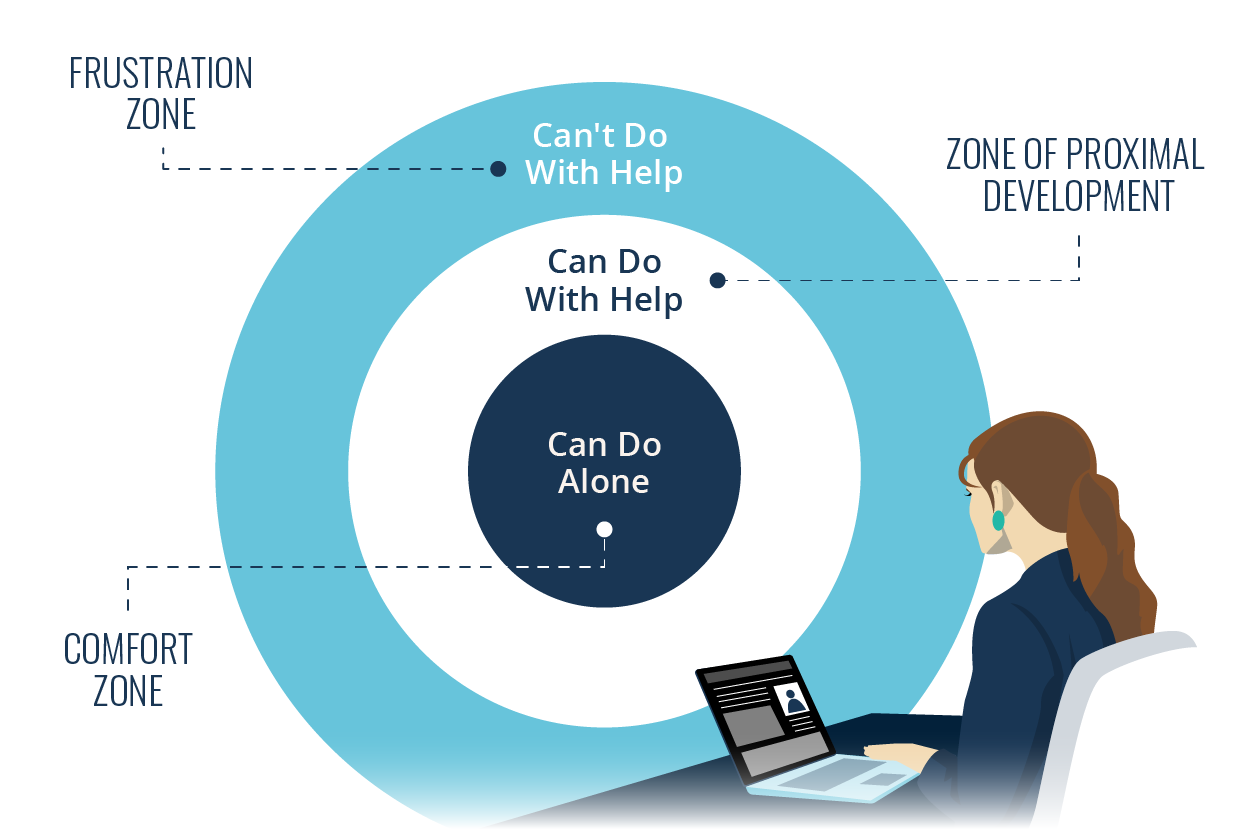
Learning happens somewhere between these two spaces.
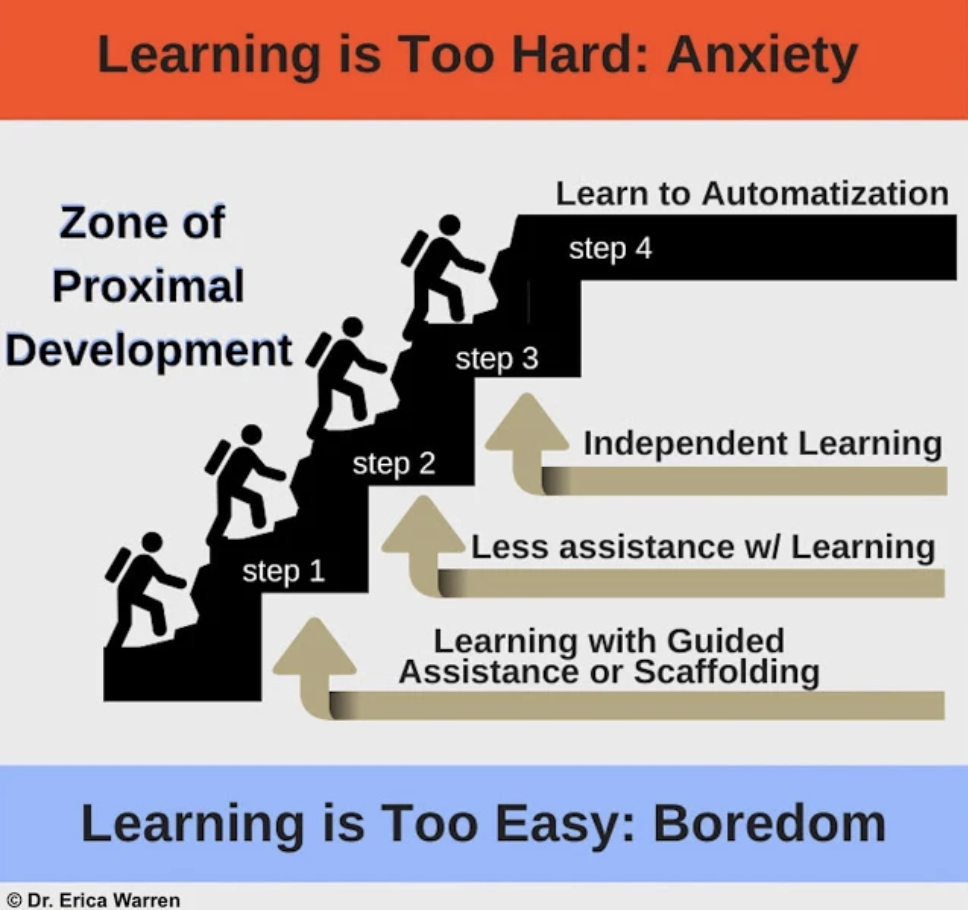
There are lots of supports to help you explore the area between boredom and anxiety. They can include:
Lessons and demonstrations in class
Books
Online Videos and Tutorials
Pattern Instructions
Guest Speakers
Classmates helping you
Conferencing
Asking for help when you need it or get stuck
If this is your second or third time taking this class, it is expected that you are experimenting and demonstrating a progression of skills. This means that your projects increase in complexity, size or variation of skills.
Originality and Personal Aesthetic

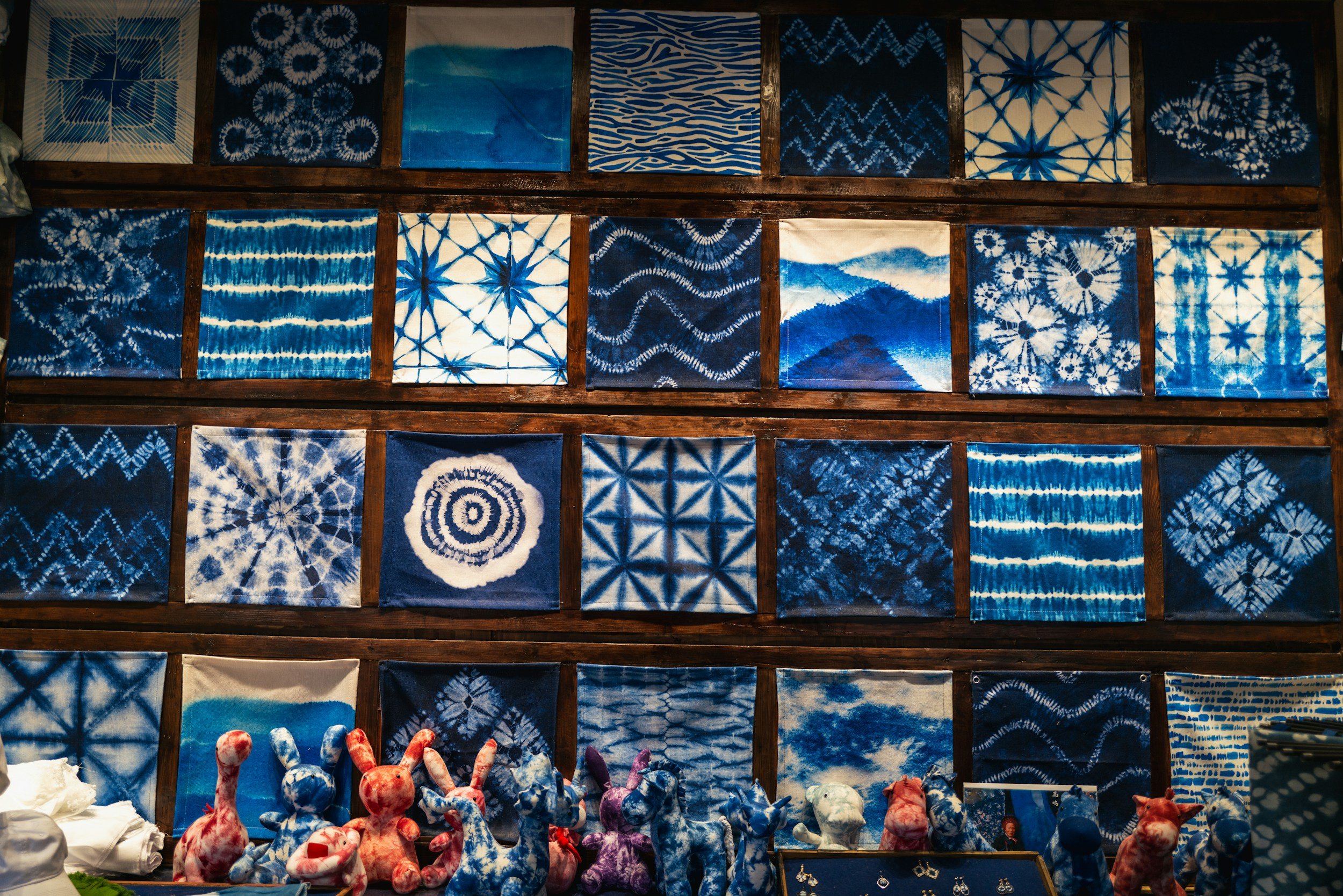
This year, I would like to challenge you to also consider how you can make your designs your own. You can 100% be inspired by things you find online or designs from others.
But I do want to challenge you to think about how you can continue to develop YOUR own unique and one-of-a-kind designs or modifications to make your creations truly your own without simply replicating what you see. This could be related to colours, fabric choices, influences from what is available locally or your own personal design aesthetics.
Your design should not be the exact same as your neighbour or friend and should explore YOUR creativity and design thinking choices.
Instead of simply copying something, how can you add your own creativity?

Studio Care
This is a shared space with thousands of dollars of equipment and materials.
Treat the studio with respect by cleaning up after yourself, only taking what you need and not wasting materials.
If you don’t know how to use something, please ask and get clarification.
We are all responsible for creating the atmosphere in this room. Be aware of the energy, words and actions you are bringing to this space, showing kindness, both to yourself and each other.
People have different learning needs; please respect where other people are.
Everyone deserves to feel safe and welcome in the textiles studio.

Key principles of design thinking in textiles:
Focus on user needs and experiences
Embrace creativity and experimentation
Learn from failures and iterate on designs
Collaborate with others and seek diverse perspectives
Consider sustainability and ethical practices in textile production
Design projects within your personal zone of proximal development
Have fun! Learn! Ask Questions!

As we create, we want to move through each step of the process to help us innovate projects that are not only fun to make but will also serve their function in the world.
By applying design thinking in class, you can develop innovative solutions that address real-world challenges in fashion, textile production, and clothing design.

Design Thinking Success Criteria
Define and Empathize
I’ve identified a target audience for the project.
I can explain how this product meets my target audience’s needs, doing research if needed.
Plan
I came up with a creative idea(s) for my project proposal.
I planned materials and textile techniques that were creative and met the user’s needs.
I made a plan for my time so that each block was used efficiently.
I considered if my idea matches my skill level or requires skills I am able to learn.
Prototype and Test
I tested a prototype to try out different tools and materials.
I considered any changes or improvements I needed to make based on my prototype and/or feedback I received.
Make and Implement
I was able to successfully complete my final product.
I used the right tools and materials that matched my project and my skills.
What I planned for matches my final product. If there are changes, I can explain why.
I kept the shared space tidy by putting away my tools and materials properly.
Share and Reflect
I can reflect on my entire design thinking process, taking note of any changes I made and/or what I would do differently next time. This allows me to set goals for the future when necessary.
Evaluate
I can consider what impacts my design choices, such as my culture, place, resources, and tools that are available to me.
I can evaluate how designers’ choices might have personal, social, and/or environmental impacts.